
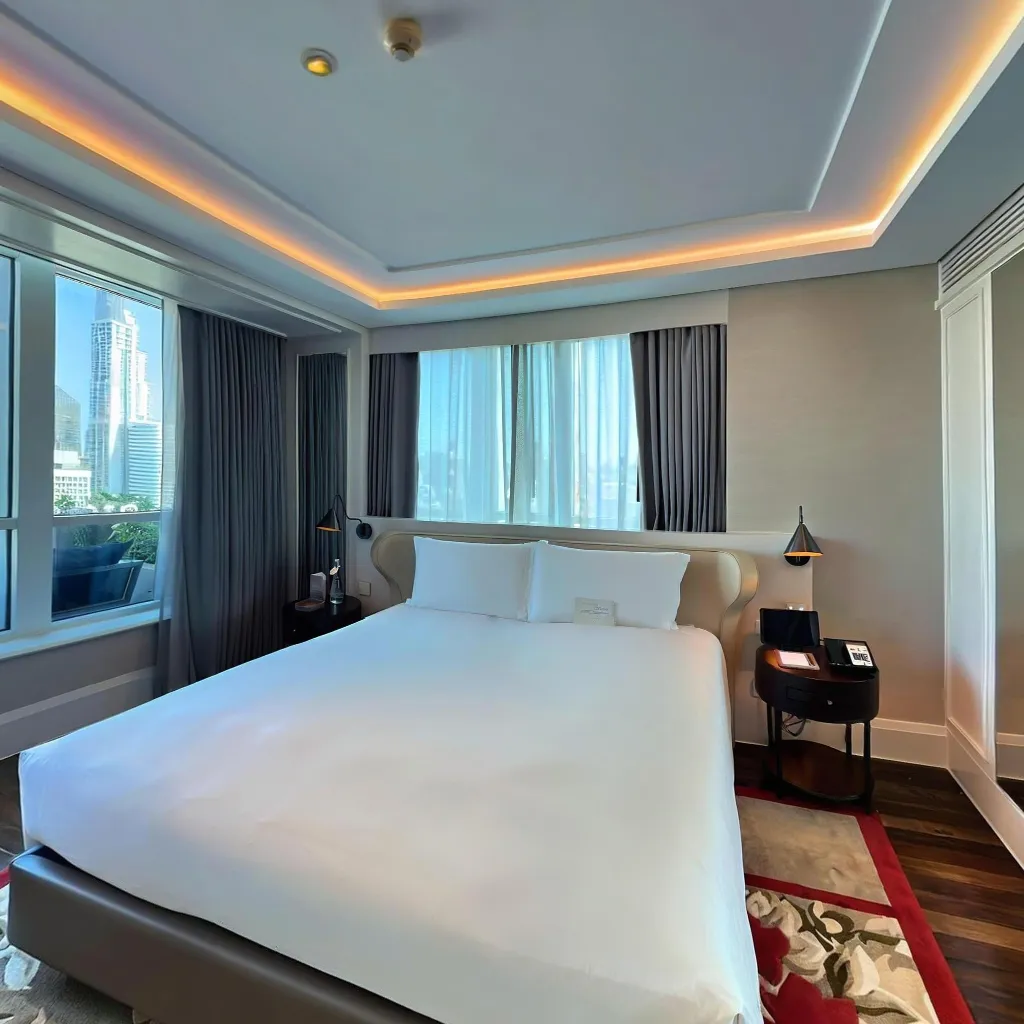
The "best camera for real estate virtual tours" question comes down to a concrete comparison between two very different workflows: a 360 camera that captures a complete sphere in a single shot versus a DSLR or mirrorless camera that captures individual high-quality frames for manual stitching or HDR photography. Each approach has specific advantages, and the right choice depends on your volume, budget, and quality requirements.
360 Cameras: How They Work for Virtual Tours
The Single-Shot Advantage
A 360 camera captures the complete spherical environment in one single shutter press using two back-to-back fisheye lenses. The camera stitches the two overlapping hemispherical images automatically, producing a complete equirectangular 360 photo ready for upload within seconds. There's no rotation, no guided multi-frame capture, and no manual stitching required.
For a working real estate photographer, this speed is significant. A 5-room property with 2 shooting positions per room can be shot in 15–20 minutes with a dedicated 360 camera. The same coverage with a DSLR and panoramic rig takes 45–90 minutes.
Image Quality from Current 360 Cameras
Entry-level 360 cameras (Ricoh Theta SC2, Insta360 One RS at base settings) produce images at 5–8K resolution with small sensor sizes (approximately 1/2.3"). The sensor size limits low-light performance — interiors without supplemental lighting show visible noise at these camera's native ISO ranges.
Premium 360 cameras (Insta360 One RS 1-inch, Ricoh Theta Z1) use larger 1-inch sensors, providing significantly better low-light performance and RAW capture support. These produce results that are comparable to DSLR-based 360 photography for standard interior applications.
DSLR and Mirrorless Cameras: The Manual Approach
Technical Quality Ceiling
A full-frame DSLR or mirrorless camera (Canon R5, Sony A7R series, Nikon Z7) with a fisheye or ultra-wide lens captures individual frames that, when manually stitched using software like PTGui, produce 360 images at resolutions of 100–200+ megapixels — far beyond any current dedicated 360 camera.
The full-frame sensor provides substantially better low-light performance, depth of field control, and dynamic range than any current 360 camera. For luxury properties where the highest possible image quality is required — where you can see individual stitches of upholstery and grain in stone countertops — a DSLR-based workflow produces noticeably superior results.
The Workflow Challenge
The DSLR 360 workflow is significantly more complex: shooting requires a panoramic rotating tripod head (£150–£500) calibrated to the nodal point of the specific lens being used. Capturing a complete room requires 6–12 bracketed exposures taken manually in a controlled sequence. Post-processing involves loading all frames into PTGui or Autopano, aligning the stitch, blending exposures for HDR output, and exporting. This takes 15–30 minutes per shooting position.
For a photographer who loves the technical process and is serving a premium market that values the quality difference, this workflow is appropriate. For an agent who needs to create 10 virtual tours per week efficiently, it is not.
Direct Comparison: Decision Matrix
Speed of Production
360 Camera: 15–30 minutes per property (3–5 rooms). Immediate post-processing. Tour ready in under 1 hour. Winner: 360 camera.
DSLR: 45–90 minutes shooting, plus 30–90 minutes post-processing per property. Tour ready in 2–4 hours minimum. Loser: DSLR for time-sensitive applications.
Image Quality
360 Camera (entry-level, Theta SC2 type): Adequate for most listing applications. Visible limitations in low light. 360 Camera (premium, Insta360 RS 1-inch): Comparable to entry-level DSLR in good lighting. Limited in challenging conditions. DSLR (full-frame): Highest quality ceiling. Better in low light. Better dynamic range. Visible quality advantage on premium properties. Winner: DSLR for pure quality.
Total Cost of Investment
360 Camera setup (mid-range): Insta360 One RS 1-inch £350–£400, tripod £50–£100. Total: £400–£500. DSLR setup (professional): Camera body £2,000–£5,000, fisheye lens £600–£1,200, panoramic nodal head £200–£400, PTGui licence £200. Total: £3,000–£7,000+.
Ease of Use
360 Camera: Minimal learning curve. Works with companion app. Produces 360 images automatically. Accessible to non-technical users. DSLR: Significant technical expertise required. Panoramic nodal head calibration, PTGui stitching, bracketed exposure blending — all require training and practice.
The Smartphone App Alternative
Where Smartphones Fit
The smartphone + Travvir approach occupies a third category: zero hardware cost, moderate speed (between 360 camera and DSLR), and quality that matches a mid-range dedicated 360 camera for well-lit interior applications. For agents who shoot occasional virtual tours rather than running a photography service, the smartphone approach provides excellent results at no additional equipment cost.
For a full comparison of dedicated 360 camera options and when a smartphone can replace them entirely, see our guide on whether you need a dedicated 360 camera.
Conclusion: Match Camera to Volume and Market Segment
For most real estate agents and property managers: A smartphone with Travvir or a mid-range dedicated 360 camera (Insta360, Ricoh Theta) provides the best combination of quality, speed, and cost for standard residential listings.
For professional photographers serving premium markets: A DSLR-based workflow with full-frame sensor and manual stitching produces a genuinely superior quality level that is noticeable on 4K screens and worth the time investment for properties where buyers expect the highest presentation standards.
The right tool is the one that matches your specific volume, market segment, and time constraints — not necessarily the most technically impressive option.