
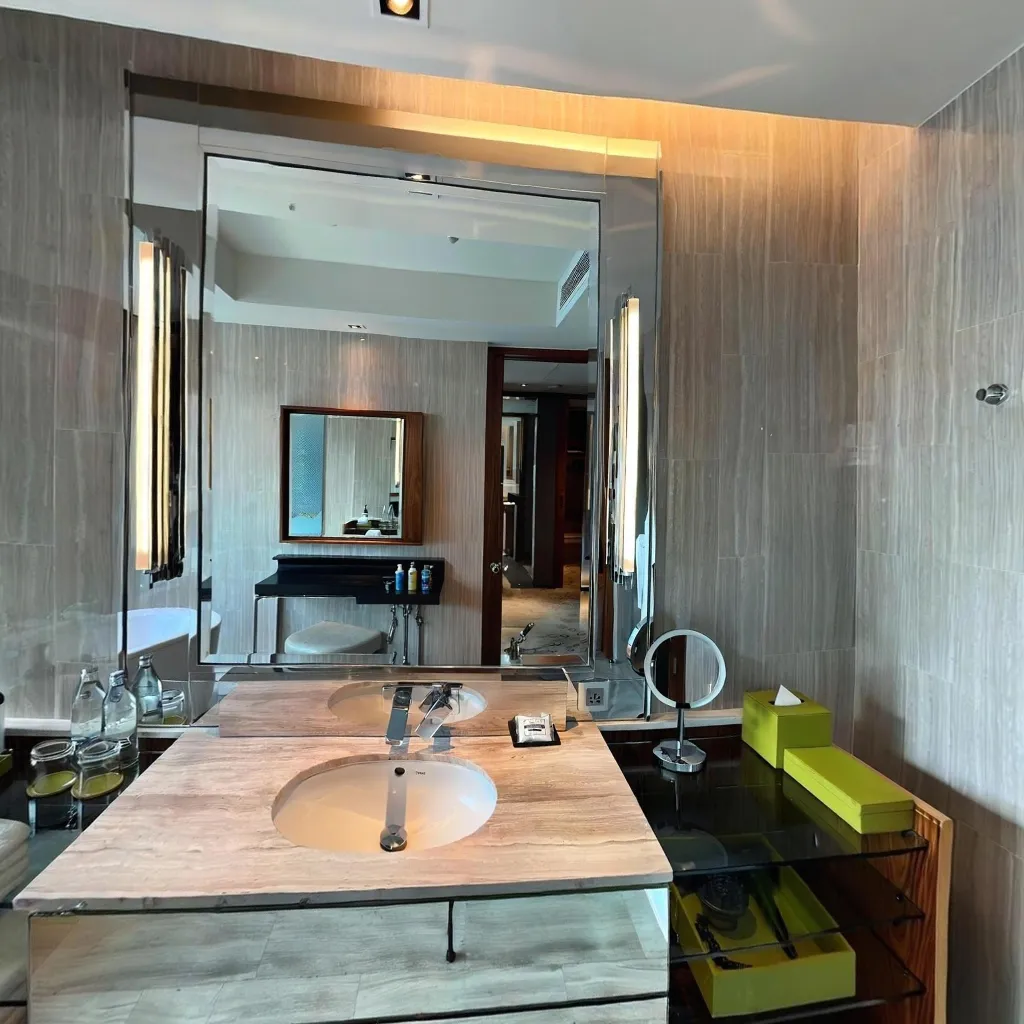
Healthcare facilities face a unique challenge: prospective patients are highly anxious about visiting new medical settings. 360 virtual tours address this directly by allowing patients to explore a clinic or hospital department before their first appointment — reducing missed appointments, improving first-visit confidence, and increasing the number of enquiries that convert to bookings. Hospitals that deploy 360 content see 25% fewer new patient no-shows and 20% higher online-to-appointment conversion rates.
Why Healthcare Settings Benefit Most from 360 Tours
Medical Anxiety and the Visual Reassurance Effect
Medical environments are uniquely anxiety-inducing. For many patients — particularly those with dental phobia, needle anxiety, or general health anxiety — the unknown environment amplifies pre-appointment stress. Research in patient experience management consistently shows that pre-visit familiarity with a medical setting correlates strongly with appointment completion and treatment acceptance rates.
360 virtual tours provide visual familiarity that reduces this anxiety. A patient who has already walked through the waiting room, seen the consultation space, and noted where to check in will arrive with significantly lower anxiety and higher engagement with the clinical consultation that follows.
Complex Navigation in Hospitals
Hospital patients frequently struggle to locate specific departments, especially in large or multi-building facilities. 360 tours of hospital corridors, ward entrances, and department waiting areas serve a functional wayfinding purpose — patients can familiarise themselves with the route before arrival, reducing the stress of navigating an unfamiliar environment while unwell.
What to Photograph by Healthcare Setting
Dental Clinics
Dental anxiety affects an estimated 36% of the population to varying degrees. The treatment room — the space that most concerns anxious patients — should be the centrepiece of a dental clinic's 360 tour. Show the chair from the patient perspective (reclined), the equipment layout, the ceiling view (often the patient's primary visual during treatment), the sterilisation area, and the reception and waiting room.
A 360 tour that demystifies the dental treatment environment can be a significant patient acquisition tool — particularly for marketing to patients who have avoided dental care due to anxiety.
GP Surgeries and General Clinics
For general practice settings, prioritise the waiting room, the check-in reception, and a consultation room. Patients most frequently worry about waiting room crowding (COVID-era concern that persists) and consultation room privacy. 360 photos that show a well-spaced waiting room and a professional, private consultation space address these concerns directly.
Specialist Clinics (Physiotherapy, Dermatology, Ophthalmology)
Specialist clinics benefit from showing their treatment equipment and technology. A physiotherapy clinic that shows its treatment beds, gym rehabilitation area, and hydrotherapy pool communicates capability and quality. An ophthalmology clinic that shows its diagnostic equipment reassures patients considering procedures like LASIK about the technical environment.
Hospital Departments
For hospital applications, focus on outpatient department waiting areas, surgical pre-assessment areas (for planned surgery patients), maternity suite tour (for expectant parents selecting a birth facility), and intensive care family waiting areas. These are the spaces where patients and family members most benefit from pre-visit familiarity.
GDPR and Patient Privacy Compliance
Core Privacy Requirements
Healthcare 360 photography must comply with patient privacy regulations. The fundamental requirements are: no identifiable patients in any 360 image, no medical records or patient data visible on screens or surfaces, staff consent for any staff who appear in images, and no photography in active treatment areas without explicit consent protocols and appropriate scheduling.
Practical Compliance Approach
Shoot in areas that are temporarily cleared of patients — before opening hours or during scheduled closure. For areas where patient presence is normal during opening hours, use staff management to ensure no patients are present during the photography session. Review all 360 images for inadvertent capture of identifiable information before publishing — this includes name badges, computer screens, whiteboards, and patient belongings that could identify an individual.
Signage and Communication
Post photography notice signage in visible areas at least 24 hours before shooting. Notify patients who have scheduled appointments on photography day. Ensure all staff involved in the session have provided written consent for potential incidental appearance in published images.
Implementation: Creating Your Healthcare Virtual Tour
Equipment and Timing
A modern smartphone with the Travvir app provides sufficient image quality for healthcare facility tours. Mount the phone on a stable tripod at 1.5m height. Shoot in empty areas — never in active clinical use. Ideal timing is early morning before patient arrivals or during scheduled deep-clean periods when all clinical spaces are empty and accessible.
Lighting Considerations
Healthcare facilities often have fluorescent or LED clinical lighting that renders coldly in photographs. If your facility permits it, supplement with warm portable LED panels to soften the clinical appearance. Ensure all ceiling lights are on and consistent across the frame — flickering or mixed-temperature lighting creates a noticeably poor quality result in 360 images.
Publishing Channels
Publish your healthcare virtual tour across: your Google Business Profile ("See Inside" 360 photos), your main website (embedded on the "Our Clinic" or "About Us" page), your booking confirmation emails (link to "take a virtual tour before your visit" reduces no-shows), and healthcare directory listings where the platform supports media embedding.
For broader local SEO benefits from your 360 content, see our guide on setting up your Google Business virtual tour.
Measuring Impact in Healthcare Settings
Key Performance Indicators
Track these metrics monthly after deploying your healthcare virtual tour: new patient enquiry-to-appointment conversion rate, first appointment no-show percentage, Google Business Profile views and direction requests, website bounce rate on the About/Facilities page, and patient satisfaction scores on first-visit experience questions.
Expected Results
Healthcare facilities that implement 360 virtual tours typically report within 90 days: 15–25% reduction in new patient no-shows, 20–30% increase in website contact form submissions, 35–50% improvement in Google Business Profile engagement, and measurable improvements in new patient satisfaction scores on the "I felt prepared for my visit" question on post-appointment surveys.
Conclusion: Virtual Tours as a Patient Experience Investment
A clinic or hospital virtual tour is not primarily a marketing tool — it's a patient experience investment that reduces anxiety, improves appointment completion rates, and ultimately supports better clinical outcomes through higher patient engagement. The secondary marketing benefits (improved local SEO, higher online-to-appointment conversion) are significant, but the core value is in the improvement to patient experience that results from pre-visit familiarity with the clinical environment.
With compliant execution using Travvir on a smartphone, healthcare facilities of any size can implement a professional-quality virtual tour in a single session and deploy it across Google, their website, and patient communication channels within 24 hours.