
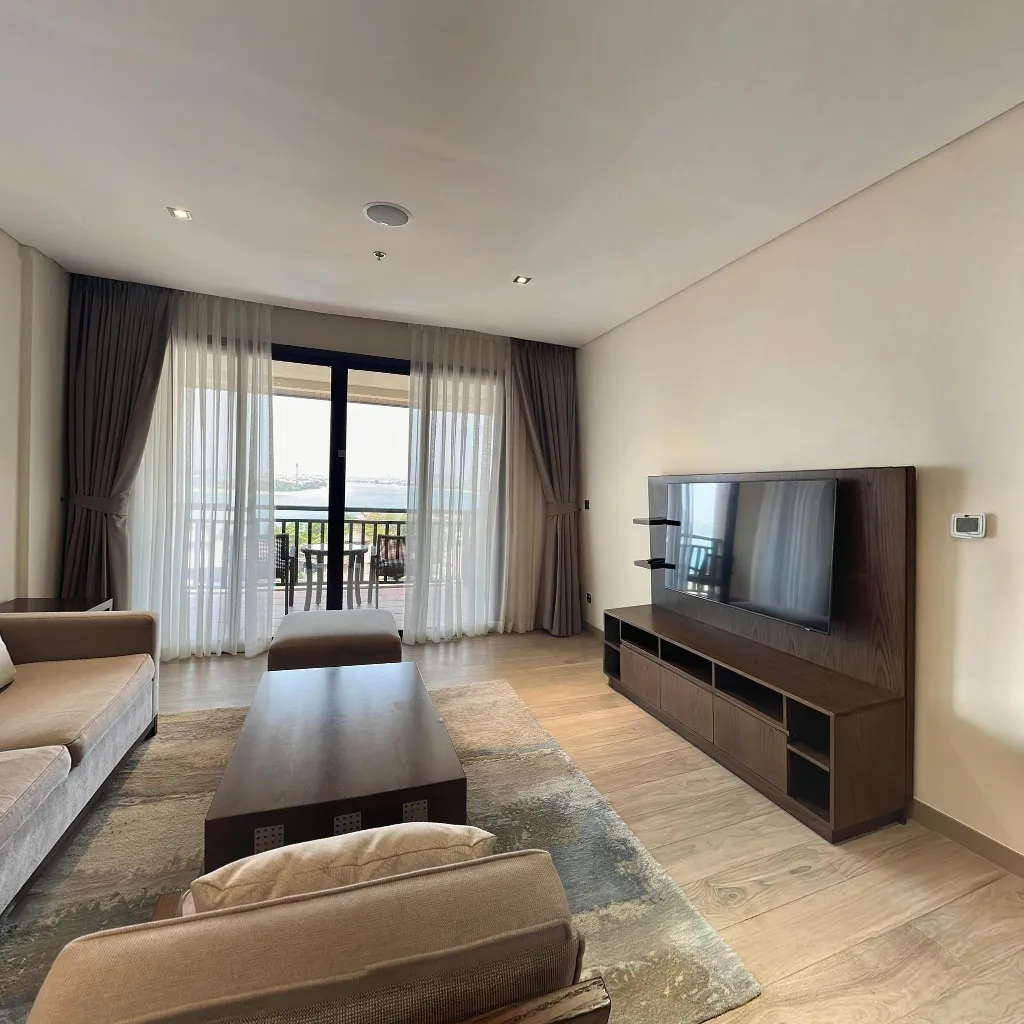
Interest in "virtual tour videographer" has surged +450% in recent months — and it's easy to see why. As businesses and real estate agents race to add virtual tours to their marketing, the demand for skilled virtual tour photographers and videographers is exploding. Here's everything you need to know about this fast-growing profession.
What Does a Virtual Tour Videographer Do?
A virtual tour videographer captures, processes, and delivers 360° virtual tours for clients. Unlike traditional photographers who shoot flat images, virtual tour specialists create immersive, interactive experiences that viewers can explore from any device. Work spans real estate, hospitality, retail, healthcare, education, and events.
Day-to-Day Responsibilities
A typical project involves: scouting the location, setting up the shooting equipment (or smartphone app), systematically capturing each room or area, processing the 360° images, building the interactive tour with hotspots and navigation, and delivering the finished tour link or embed code to the client.
Skills Required to Become a Virtual Tour Videographer
Photography fundamentals — understanding exposure, lighting, and composition. 360° capture technique — knowing how to position yourself, lock exposure, and capture seamless panoramas. Software proficiency — familiarity with virtual tour platforms like Travvir. Client communication — advising clients on how to prepare spaces and delivering tours on time. Basic marketing knowledge — helping clients understand how to use and promote their tours.
Equipment Needed
Smartphone Setup (Best for Beginners)
Start with your existing smartphone and the Travvir app. This low-cost setup lets you take on real clients immediately, build a portfolio, and generate revenue before investing in more equipment.
Professional Setup
As you grow, consider: a dedicated 360° camera (Ricoh Theta Z1, Insta360 X4), a carbon fibre monopod, a portable LED light kit, and a fast laptop for batch processing.
How Much Do Virtual Tour Videographers Earn?
Per-project rates range from $150 for a small apartment to $500–$1,500 for large commercial properties. Full-time virtual tour videographers in high-demand markets earn $60,000–$100,000+ annually. Many start part-time and transition to full-time as their client base grows.
How to Find Your First Virtual Tour Clients
Start local: approach real estate agents, hotels, restaurants, and gyms in your area. Offer a free first tour to demonstrate value. Build a portfolio website showcasing 3–5 sample tours created with Travvir. List your services on Upwork, Thumbtack, and local business directories. Ask satisfied clients for referrals — virtual tour work is almost entirely word-of-mouth in the early stages.
Continue Reading

Download Travvir & Start Creating