
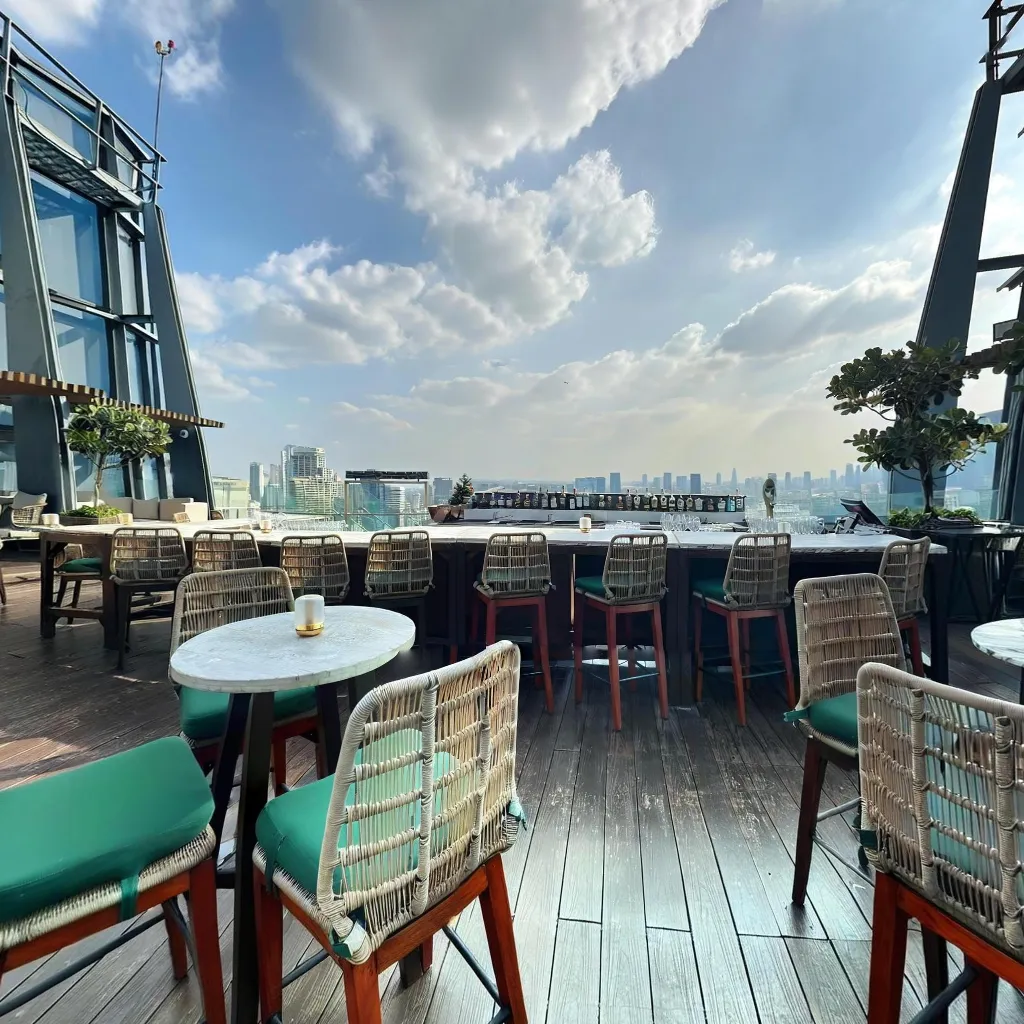
Artificial intelligence is revolutionizing virtual tours at breakneck speed. What seemed like science fiction just two years ago—real-time scene understanding, automated enhancement, intelligent navigation—is now reality. This comprehensive look at the future of AI-powered 360 virtual tours reveals what's coming next and how it will transform immersive experiences across industries.
Current State: AI Capabilities Today
What AI Already Does
Modern AI-powered virtual tour platforms already deliver impressive capabilities:
Automatic Image Processing
Current AI systems perform seamless panorama stitching from multiple photos, creating unified 360° views. They apply HDR tone mapping and exposure correction to balance lighting across scenes. Noise reduction and sharpness enhancement improve overall image clarity. Color grading and white balance optimization ensure consistent, natural-looking colors. Perspective correction and horizon leveling prevent distortion and maintain proper spatial relationships.
Scene Understanding
AI can recognize room types such as bedrooms, kitchens, and bathrooms automatically. It performs object detection and classification, identifying furniture and features within spaces. The technology analyzes lighting conditions to optimize capture and processing. Quality assessment and error detection happen automatically, flagging issues before final delivery.
User Experience Optimization
Current systems feature automatic navigation hotspot placement, positioning links where users naturally expect them. Optimal starting view selection ensures viewers begin their tour from the most compelling angle. Scene-to-scene transition smoothing creates fluid navigation between spaces. Loading time optimization ensures fast performance across all devices and connection speeds.
Emerging AI Technologies: 2026-2027
Real-Time AI Guidance
What it is: AI that actively assists during the capture process
Intelligent Capture Assistance
Coverage detection will show missed areas in real-time, ensuring complete space documentation. Quality monitoring will warn about lighting or focus issues immediately during capture. Positioning guidance will suggest optimal capture positions for best results. Voice instructions will provide hands-free verbal guidance during capture, keeping your hands free to hold the device. Predictive assistance will anticipate next steps based on current capture patterns, streamlining the workflow.
Practical Impact
These advances will reduce capture time by 40%, making tours faster to create. They eliminate the need to retake scenes due to errors or coverage gaps. Professional results become accessible to beginners with minimal training. The technology reduces training time from hours to just minutes, accelerating adoption.
Advanced Object Recognition and Enhancement
Intelligent Object Management
Automatic decluttering will allow AI to remove unwanted objects from scenes seamlessly. Object replacement will enable swapping furniture or decor digitally without physical changes. People removal will eliminate captured individuals automatically, protecting privacy. Virtual staging will add furniture to empty rooms, helping buyers visualize possibilities. Seasonal changes will adjust outdoor views from summer to winter or vice versa.
Feature Enhancement
AI will highlight architectural details automatically, drawing attention to unique elements. It will enhance views through windows, improving what's visible beyond the interior. Lighting fixtures' appearance will be optimized for better visual impact. Material textures like wood, stone, and fabric will be improved for more realistic representation.
Natural Language Processing Integration
Voice-Controlled Tours
Users will be able to say "Show me the master bedroom" to navigate by voice command instantly. Asking "What are the dimensions?" will provide instant room measurements. Commands like "Tell me about the kitchen appliances" will prompt AI to describe features in detail. Queries such as "Compare this to similar properties" will deliver contextual information and market comparisons.
Automated Descriptions
AI will generate room descriptions automatically from visual analysis alone. It will create marketing copy that's compelling and accurate without human writing. The system will produce multilingual descriptions instantly, expanding global reach. It will adapt tone for different audiences, whether luxury buyers, budget-conscious renters, or commercial clients.
Spatial AI and Measurement
Accurate Spatial Analysis
Room dimensions will be calculated with precision from photos alone, eliminating the need for manual measurement. Object placement will show exact positioning of furniture and features within spaces. Floor plans will be generated automatically from the virtual tour, providing valuable spatial context. Volume calculations will determine cubic footage for moving and storage planning. Accessibility analysis will measure doorway widths, ceiling heights, and clearances for ADA compliance.
Practical Applications
These capabilities enable furniture shopping integration, answering questions like "will this couch fit?" in real-time. Construction planning and estimates become more accurate with precise measurements. Moving company quotes can be generated automatically from tour data. ADA compliance verification happens instantly, identifying accessibility issues before they become problems.
Near Future: 2027-2028
Generative AI for Virtual Tours
Scene Synthesis and Modification
Style transfer will enable changing decor style from modern to traditional or any other aesthetic instantly. Time of day adjustments will show spaces in different lighting conditions, from morning sun to evening ambiance. Weather modifications will adjust outdoor conditions, showing sunny days or dramatic skies. Renovation visualization will demonstrate potential remodels before construction begins. Before/after previews will show improvement possibilities, helping sellers and buyers envision potential.
Personalization
Customized tours will have AI adapt content to viewer preferences automatically, showing what matters most to each person. Relevant feature highlighting will emphasize aspects that align with viewer interests and needs. Comparison generation will create side-by-side analyses of similar properties. A recommendation engine will suggest similar or alternative spaces based on viewing history and preferences.
Predictive Analytics and Insights
Viewer Behavior Analysis
Analytics will include heat maps showing areas of interest within each scene. Time spent in each room or scene will reveal which spaces resonate most with viewers. Navigation patterns and flow will demonstrate how people move through virtual spaces. Drop-off point identification will show where viewers lose interest. Feature engagement tracking will measure which hotspots and interactive elements perform best.
Business Intelligence
Conversion prediction will identify which viewers are likely to convert into customers. Pricing optimization will suggest pricing based on tour engagement and market data. Competitive analysis will show how your tour compares to similar properties. Marketing insights will reveal which features to emphasize in promotional materials. Timing recommendations will suggest the best time to follow up with engaged viewers.
Advanced Integration Capabilities
Smart Home Integration
Users will be able to control smart devices during tours, adjusting lights, thermostats, and shades in real-time. They can demonstrate smart home features interactively, showcasing automation capabilities. Energy efficiency data will be displayed in context, showing actual performance. Security system capabilities will be visible and demonstrable within the tour experience.
E-commerce Integration
Viewers will be able to click any item to see purchase information instantly. Direct links will connect to buy furniture and decor shown in the tour. Price overlays on furnishings and finishes will provide immediate cost information. Style match recommendations will suggest similar items based on what's featured.
Service Provider Connections
The system will provide instant contractor quotes for modifications viewers envision. Interior designer consultations will be available in-app for personalization advice. Moving company estimates will be generated automatically from tour data. Home inspection scheduling will integrate seamlessly into the tour experience.
Distant Future: 2029-2030
Immersive AI Environments
Mixed Reality Virtual Tours
AR overlays will add information layers to physical spaces when viewed through mobile devices. VR optimization will provide native virtual reality tour experiences for immersive headsets. Holographic previews will project spaces into your current location for comparison. Scale visualization will allow viewing spaces at different scales, from dollhouse to life-size.
Photorealistic Generation
AI will generate complete virtual tours from floor plans alone, creating visual spaces before they exist. It will create hypothetical spaces that don't yet exist for planning purposes. The technology will render construction projects before breaking ground, helping with approvals and marketing. It will simulate different architectural options, allowing comparison before commitment.
Autonomous Tour Creation
Robotic Capture Systems
Small drones will capture spaces automatically, navigating rooms without human guidance. Robotic systems will handle complex properties efficiently, reaching difficult areas. No human intervention will be required for routine tours. Consistent quality will be maintained across all captures, eliminating human variability.
Continuous Tour Updates
IoT cameras will update tours automatically as spaces change over time. Seasonal refreshes will happen without manual intervention, keeping content current. Real-time tour updates will reflect changes as spaces evolve. Always-current virtual representations will ensure accuracy without ongoing effort.
AI-Powered Virtual Assistants
Intelligent Tour Guides
AI avatars will provide personalized tours tailored to each viewer's interests. They'll answer questions in natural conversation, feeling like real human guides. The system will adapt explanations to viewer knowledge level, ensuring comprehension. It will schedule follow-up actions automatically based on viewer interest. AI will qualify leads through conversational interaction, identifying serious prospects.
Emotional Intelligence
The technology will detect viewer emotions during tours, understanding engagement levels. It will adapt presentation based on emotional responses and engagement signals. The system will identify excitement or concern triggers, highlighting what resonates. It will provide appropriate follow-up based on sentiment analysis and interaction patterns.
Industry-Specific Future Applications
Real Estate
Instant comps will allow AI to show comparable properties during tours for immediate context. Financing integration will calculate payments while viewing, helping buyers understand affordability. Neighborhood insights will display school ratings, crime statistics, and amenities relevant to the location. Investment analysis will provide ROI projections for rental properties. Virtual open houses will feature live guided tours with AI assistance for real-time interaction.
Hospitality
Dynamic pricing displays will show rates for selected dates in real-time. Availability highlighting will indicate which rooms are currently bookable. Personalized experiences will customize tours based on guest preferences and travel style. Service integration will enable booking spa treatments, dining reservations, and activities during the tour. Local experiences will showcase nearby attractions and activities to enhance the stay.
Retail
Virtual shopping will allow adding items to cart directly from the tour. Inventory indicators will show stock levels for visible products in real-time. Style recommendations will have AI suggest products based on browsing behavior. Size visualization will demonstrate how products fit in your actual space. Loyalty integration will deliver personalized offers during virtual visits.
Education
Interactive learning will embed educational content within spaces for immersive education. Historical recreation will show spaces as they were in different eras for context. Assessment integration will quiz students during virtual field trips to test comprehension. Accessibility features will support multiple learning modalities for diverse needs. Collaboration tools will enable groups to explore together with AI guides facilitating discussion.
Privacy and Ethical Considerations
Data Privacy Challenges
Viewer tracking requires balancing insights with privacy protection. Biometric data handling of facial recognition and emotion detection raises important questions. Personal information captured in tours must be protected carefully. Storage and retention policies need clear guidelines on how long to keep tour data.
Authenticity Concerns
Disclosure requirements raise questions about whether AI modifications must be revealed. Misrepresentation risks exist when virtual staging diverges from reality. Trust maintenance is crucial for keeping consumer confidence. Regulation compliance means meeting evolving standards as they develop.
Accessibility Equity
Technology access must be ensured for broad availability across demographics. Digital literacy support is needed for all skill levels. Disability accommodations require universal design principles. Language barriers necessitate multilingual AI support.
Preparing for the AI Future
For Businesses
First, start using AI tools now to build familiarity with current technology and establish workflows. Collect tour data as analytics become increasingly valuable for optimization. Stay platform-agnostic by choosing solutions that evolve with AI advancements. Train teams continuously since AI capabilities expand rapidly and require ongoing learning. Plan integration strategies to understand how tours fit into your larger digital ecosystem.
For Content Creators
Focus on storytelling as AI handles the technical aspects of tour creation. Develop strategy skills since understanding what to capture matters more than how to capture it. Embrace hybrid workflows that combine AI efficiency with human creativity. Specialize in interpretation to add value beyond what automation provides. Build AI literacy to understand both capabilities and limitations of the technology.
For Consumers
Understand AI enhancements and know what's real versus what's been modified in tours. Ask about modifications by requesting disclosure of AI changes when making important decisions. Verify critical details by confirming important features in person when possible. Use AI tools yourself to create your own tours for comparison and understanding. Provide feedback to help improve AI accuracy and usefulness for everyone.
Investment and Market Growth
Market Projections
The 2026 market size for virtual tour AI solutions is projected at $580 million. By 2030, this is expected to reach $3.2 billion, representing an impressive 450% growth. The adoption rate shows a 65% compound annual growth rate (CAGR) through 2030. Looking at AI processing share, it's estimated that 85% of virtual tours will use AI processing by 2028.
Investment Trends
Venture capital is flowing to AI spatial computing companies at unprecedented rates. Major tech companies are acquiring virtual tour AI startups to integrate capabilities. Real estate platforms are building native AI tour capabilities into their core offerings. Hardware manufacturers are partnering with AI software providers to create integrated solutions.
Economic Impact
Job transformation is occurring as photographers become AI-assisted content strategists with new skill requirements. Cost reduction shows a 70-80% decrease in tour creation costs expected by 2028. Market expansion happens as AI makes tours accessible to small businesses previously priced out. New revenue streams emerge through AI-powered analytics and insights products.
Conclusion: Embracing the AI-Powered Future
The future of virtual tours is inseparable from AI advancement. Within five years, capabilities that seem futuristic today—automated capture, intelligent enhancement, natural language interaction, generative modifications—will be standard features.
This transformation creates opportunities and challenges. Businesses that embrace AI-powered virtual tours early will gain significant competitive advantages in engagement, conversion, and operational efficiency. Those who delay risk becoming irrelevant as consumer expectations evolve.
The good news: you don't need to wait for the future. AI-powered virtual tour technology is available today, continuously improving through cloud updates. Start with current AI capabilities, learn the workflows, and you'll naturally evolve with the technology as it advances.
The future of immersive spatial experiences is being written now, powered by artificial intelligence. The question isn't whether to participate, but how quickly you can position yourself to benefit from this revolutionary shift.
Download Travvir & Start Creating